


ERC Starting Grant for Paula Gobbi
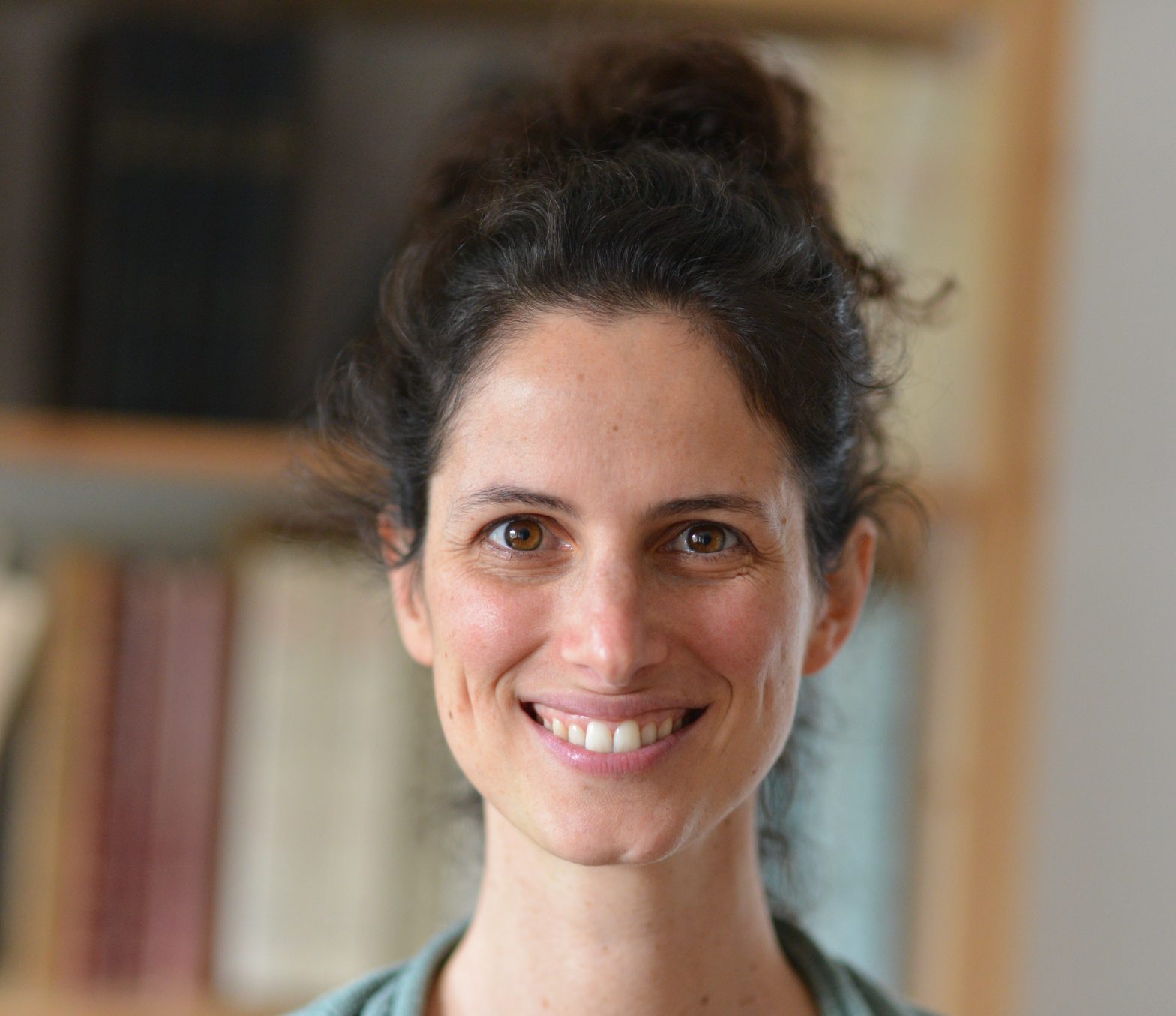
Paula received an ERC Starting Grant. Her study will focus on Inheritance, Demographics, and Economic Development (IDED)
Economists study inheritance and demographics in isolation, overlooking the feedback effects between the two. This is surprising given that other social scientists have typically related inheritance schemes to family structures. The general objective of this proposal is to understand the implications of these interconnections for the process of economic development.
First, I will create new databases for European countries between the seventeenth and the nineteenth centuries, and for Sub-Saharan African countries during the past century until today. These databases will enable us to establish facts relating inheritance schemes, family structures and demographic variables. Second, I will propose structural models of inheritance, family structures, marriage and fertility in order to rationalize these facts.
These models will assess the importance of the relationship between inheritance and demographics when studying the effect of inheritance on economic outcomes. The databases and structural models will provide answers to specific applied research questions: (i) The Demographic Transition: Was the French Revolution responsible for the demographic transition? What were the relevant channels (partible inheritance and inclusion of women)? How did the abolition of primogeniture affect the elites’ demographic transition? (ii) The European Marriage Pattern: how did its characteristics – late marriages and high life-long celibacy – vary across inheritance systems? Which one of these was most beneficial for gender empowerment? (iii) Sub-Saharan Africa’s demographic transitions: Can the harmonization of inheritance practices reactivate stalling demographic transitions? How does land scarcity affect the relationship between inheritance practices, family structures, and demographics?
Latest News
The Dynamic Effects of Mergers: a European Commission Study Prepared by Oxera
9 September 2026Friday, 11 September 2026 | 08:30–13:30, followed by lunchSolvay Brussels School of Economics and Management – Université libre de Bruxelles ECARES is pleased to host the economic workshop “The Dynamic Effects of Mergers: a European Commission Study Prepared by Oxera”, taking place at ULB on Friday, 11 September 2026. The workshop will present and discuss …
Continue reading "The Dynamic Effects of Mergers: a European Commission Study Prepared by Oxera"
Economic Workshop on the Dynamic Effects of Mergers
1 September 2026Friday, 11 September 2026 | 08:30–13:30, followed by lunchSolvay Brussels School of Economics and Management, Université libre de Bruxelles ECARES and the Solvay Brussels School of Economics and Management are pleased to host an economic workshop dedicated to “The Dynamic Effects of Mergers”, organised in connection with the Economic Study prepared by Oxera for the …
Continue reading "Economic Workshop on the Dynamic Effects of Mergers"
Paula Gobbi receives the 2026 EEA Role Models in Economics Award

Congratulations to Professor Paula Gobbi, Director of ECARES, who has received the prestigious 2026 EEA Role Models in Economics Award from the European Economic Association.
Visit us
ECARES - Solvay Brussels School of Economics and Management
Ave. F.D Roosevelt 42, 5th and 6th floors
1050 - Brussels - Belgium